

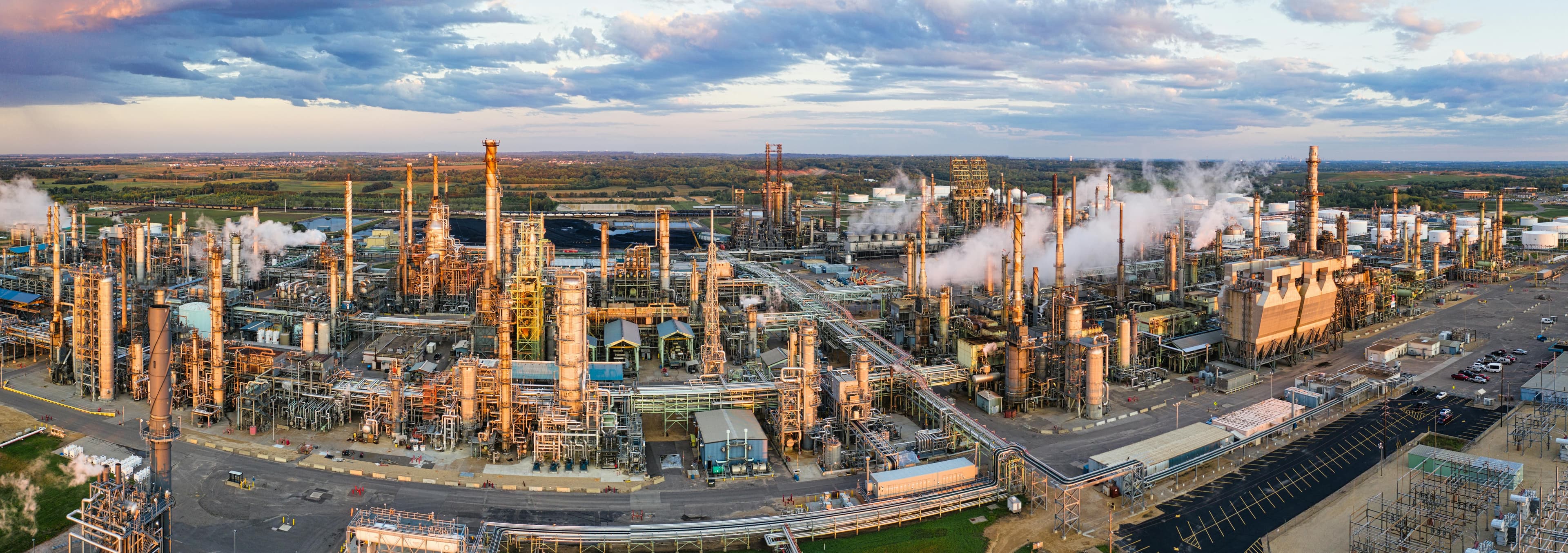

Predictive vs. Preventive Maintenance: The ROI Case for Oil & gas
For decades, the oil and gas industry has relied on preventive maintenance — time-based or usage-based schedules that service equipment at fixed intervals regardless of actual condition. It is better than reactive maintenance, but it is far from optimal.
Predictive maintenance represents the next evolution: using operational data to forecast when equipment will actually fail, and scheduling service precisely when it is needed — not before, not after.
The Problem with Calendar-Based Maintenance
Preventive maintenance follows a simple logic: service equipment every X hours or every Y months. The problem is that equipment does not degrade on a calendar. Two identical pumps in different operating conditions will have vastly different failure timelines.
The Economics of Prediction
The math is compelling. Unplanned failures cost 3-10x more than planned maintenance when you factor in emergency mobilization, idle crew time, lost production, and customer penalties. Predictive maintenance captures most of this savings while also reducing the over-servicing waste of calendar-based approaches.
What Data Do You Need?
The common misconception is that predictive maintenance requires expensive IoT sensor deployments. While sensors add value, you can build effective prediction models from data you already have: inspection results, work order history, run-hours, and failure records.
Getting Started
The transition from preventive to predictive does not have to be a big-bang implementation. Start with your most critical and most expensive assets. Build condition profiles from your existing inspection data. Let the models learn from your operational history. The ROI will justify expansion to the rest of your fleet.
No comments yet
Be the first to share your thoughts.
Leave a Reply
Your email address will not be published. Required fields are marked *